
A useful B2B lead magnet helps a specific reader complete a small task or make a better decision. Start with that job, choose a format that makes it easier and offer a proportionate next step. An email gate does not make a resource valuable, and a download does not automatically identify a qualified buyer.
1. Choose a small job with a clear finish
Avoid starting with a title such as the ultimate growth guide. Ask what your intended buyer could finish using the resource: prepare a brief, evaluate a proposal, identify missing information or organise a review. A clear finish makes it easier to decide what belongs in the resource and what does not.
For a fictional onboarding consultancy, a practical job might be to review whether a new customer can identify the next action at each step. The resource could be a worksheet rather than a broad ebook about customer experience. Its value lies in helping the reader perform a check.
Make sure the job is adjacent to your offer without requiring the reader to buy anything to complete it. A checklist that ends every item with hire us is a brochure wearing a resource title. Give the reader a useful result first.
2. Match the format to the work
Use a checklist for a bounded review, a workbook for gathering and interpreting context, a planner for coordinating a sequence or a comparison sheet for evaluating alternatives. A long narrative is useful when the reader needs explanation, but less useful when they need to fill in a brief.
Provide a worked example before the blank version. The example teaches the level of detail expected and reduces uncertainty about how to start. Label fictional examples clearly and do not attach invented results to them.
Choose a format that is usable on a phone as well as a desktop. Keep instructions available as normal web text, not only inside a large download. The PDF can be a take-away copy; it should not be the only place a reader can understand the resource.
3. Build the resource around decisions, not filler
For each section, write what the reader will do with it. If a paragraph does not help them understand a question, make a choice or complete a step, consider removing it. Length can be appropriate for a difficult topic, but page count is not the value proposition.
In the onboarding example, useful fields include the customer action, the visible next step, the owner and the uncertainty to investigate. A decorative page defining customer success in general may not help someone complete that review.
Put limitations near the relevant exercise. A worksheet can identify questions worth investigating; it does not prove which change will improve conversion. Distinguish an observation, a hypothesis and a measured result throughout the resource.
4. Write a landing page that explains the exchange
State who the resource is for, what it contains and what the reader should be able to do after using it. Show a real page or describe the actual worksheets. Do not use a mock cover to imply a substantial report if the download contains only a short promotional page.
If you ask for an email address, make the purpose clear. Explain whether it is used to deliver the resource, offer requested updates or something else. Do not treat accepting a download as an automatic agreement to receive an unrelated newsletter. Handle any legal or jurisdiction-specific requirements with appropriate advice.
An ungated version is also a valid option. The resources in this library can be downloaded without an email address. That reduces friction and lets the reader judge the work before deciding whether to contact Wise Mango, Inc. or explore Klype.
5. Make the follow-up useful rather than automatic noise
Plan the next conversation before launching the resource. A useful follow-up might ask which part was difficult, share a clarification or offer help with a specific step. Avoid sending the same generic sales sequence regardless of what the person requested.
Keep transactional delivery separate from optional marketing enrolment. Confirm that a delivery message actually reaches a test inbox before relying on the workflow. A success message on a form is not evidence that the email arrived or that the contact was added correctly.
Do not claim a newsletter integration is active unless the collection, consent record, delivery and unsubscribe path have been tested. If those pieces are not ready, a direct download with a clear contact link is more honest than an email form that appears to work but loses the request.
6. Connect distribution to the same buyer question
Create a short post that explains the problem the resource helps solve. Share a useful part of the method so the reader can judge relevance without clicking. Then link to the full resource as an optional continuation.
Choose communities and creator partners where the question belongs. Follow their participation rules and avoid repeated promotional posting. The goal is to make the resource available to interested people, not to place a download link everywhere.
Use consistent referral tags when you need to distinguish sources. Record the placement and intended audience so you can interpret traffic in context. A spike from a broad audience may create downloads without producing enquiries relevant to your service.
7. Measure usefulness before calling it a lead engine
Track resource visits and downloads separately from enquiries and qualified conversations. Define what qualifies an enquiry for your business. A reader doing research, a student and a potential customer may all find the workbook useful, but they are not interchangeable sales opportunities.
Ask users which section helped and what they could not complete. If the instructions are confusing, fix the resource before increasing promotion. If the resource is useful but leads to irrelevant enquiries, clarify the offer and audience rather than claiming that downloads equal demand.
Avoid universal conversion targets. Use a clearly defined baseline, note the source mix and give yourself enough observations to interpret the result sensibly. The launch kit includes a review page so findings can change the resource instead of becoming a report nobody uses.
8. Choose the support that fits the job
Wise Mango, Inc.'s service route can help with the positioning, editorial development and distribution around a resource. Bring a buyer question and any approved source material to the initial conversation; the scope should be based on that need.
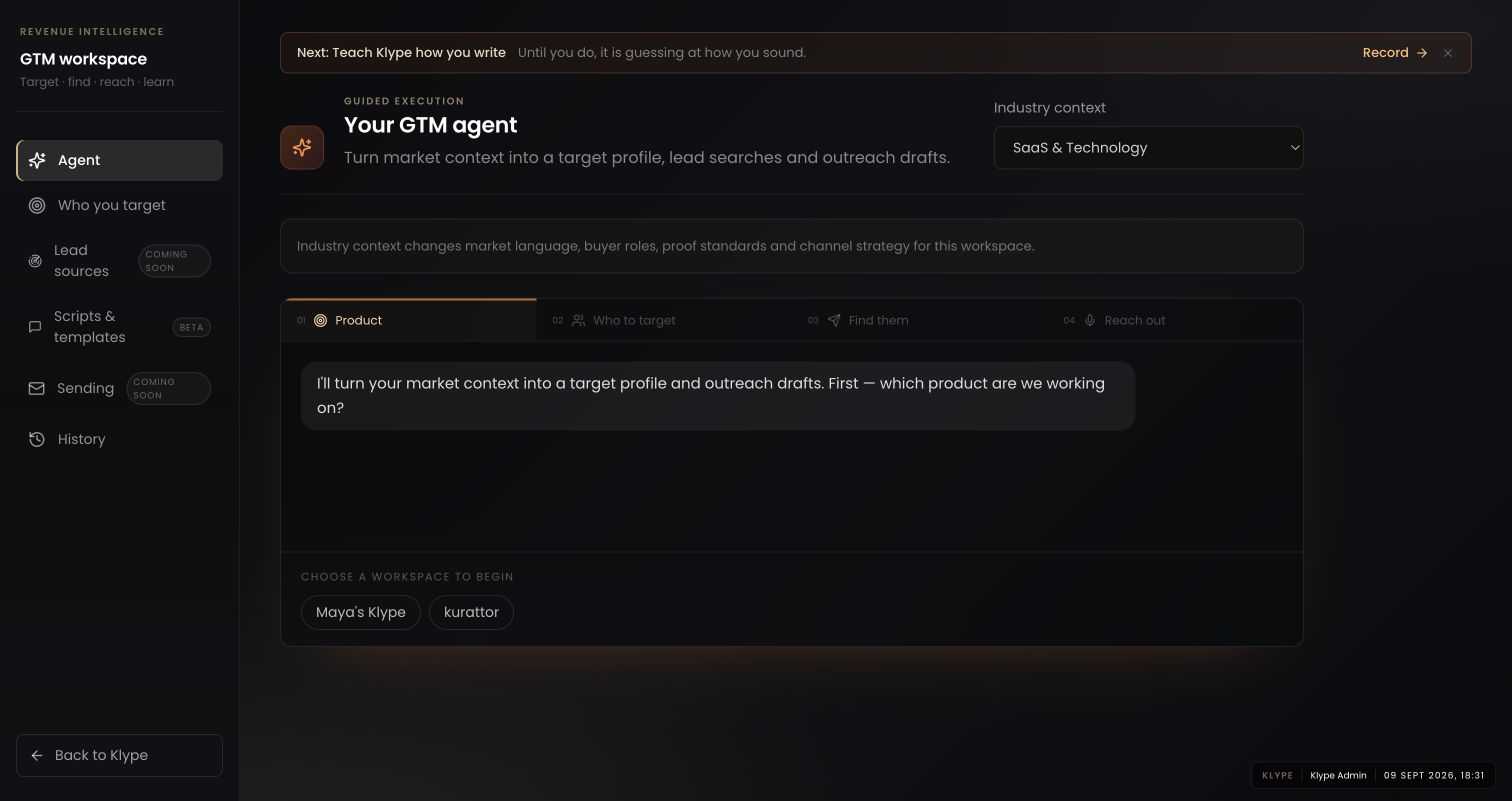
Klype can support business-context-based planning and content drafting. It is not being presented here as a complete lead-magnet hosting, email or CRM system. Use the resource as a brief, then check which part of your workflow belongs in Klype and which part needs another service.
Before sharing, complete a final reader test: can someone identify the intended audience, access the file, understand the example, finish one exercise and find an appropriate next step? That test is more useful than judging the resource only by its cover or length.
Common questions
Does every lead magnet need an email gate?
No. A direct download can demonstrate usefulness and lead readers to a voluntary next step. Gating is a design choice, not a quality requirement.
How many pages should it be?
Enough to explain and complete the job without unnecessary material. A concise worksheet can be more useful than a long ebook.
Will a lead magnet automatically rank or generate leads?
No. Usefulness, relevance, discoverability and distribution matter, and outcomes remain uncertain. Do not treat a resource launch as a guarantee of traffic or sales.
Choose your way of working
Want a team to help with strategy, editing and distribution? Talk to Wise Mango, Inc.. Prefer to manage your business context and content yourself? Explore Klype AI. Check the platform's current features and subscription terms before joining.

Founder of Klype. Writing about clear business communication, useful content and practical distribution.
Connect on LinkedIn ↗